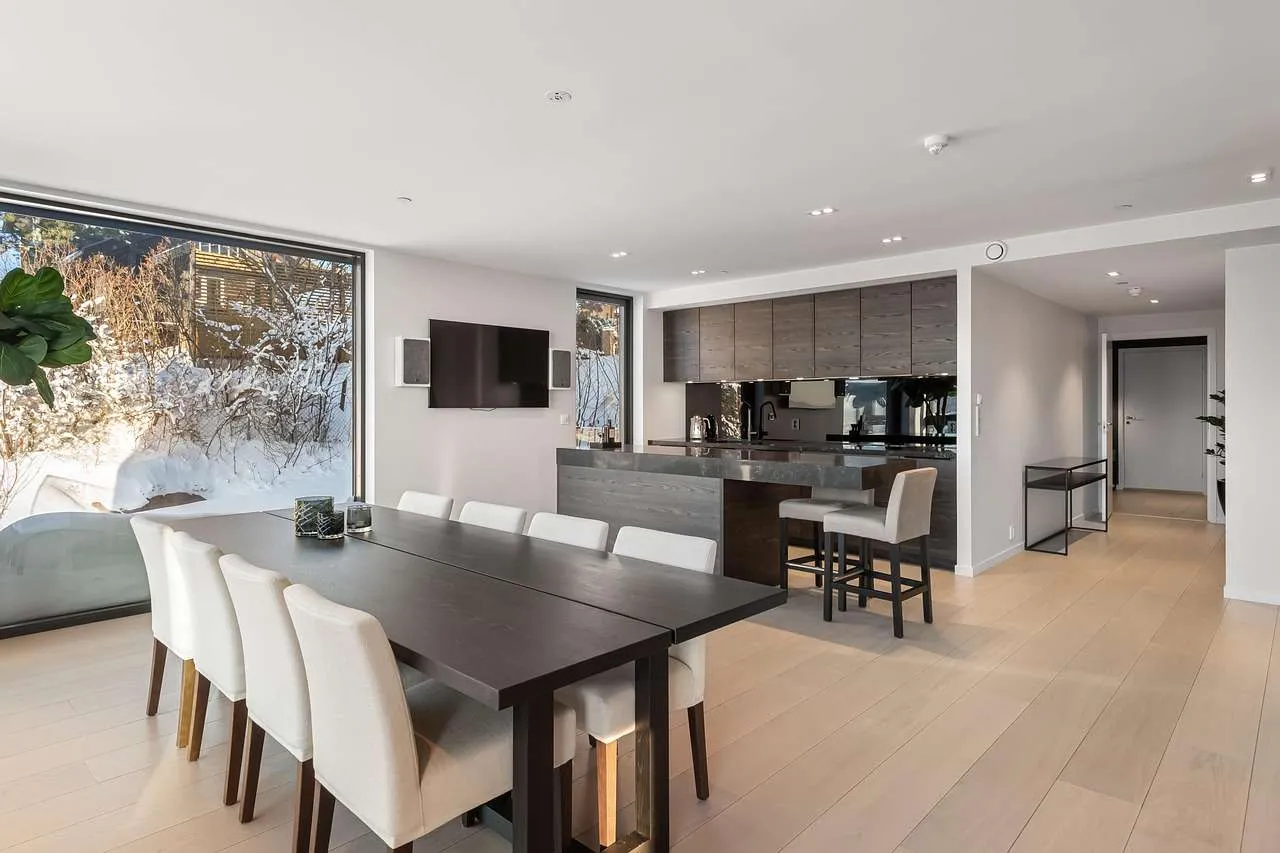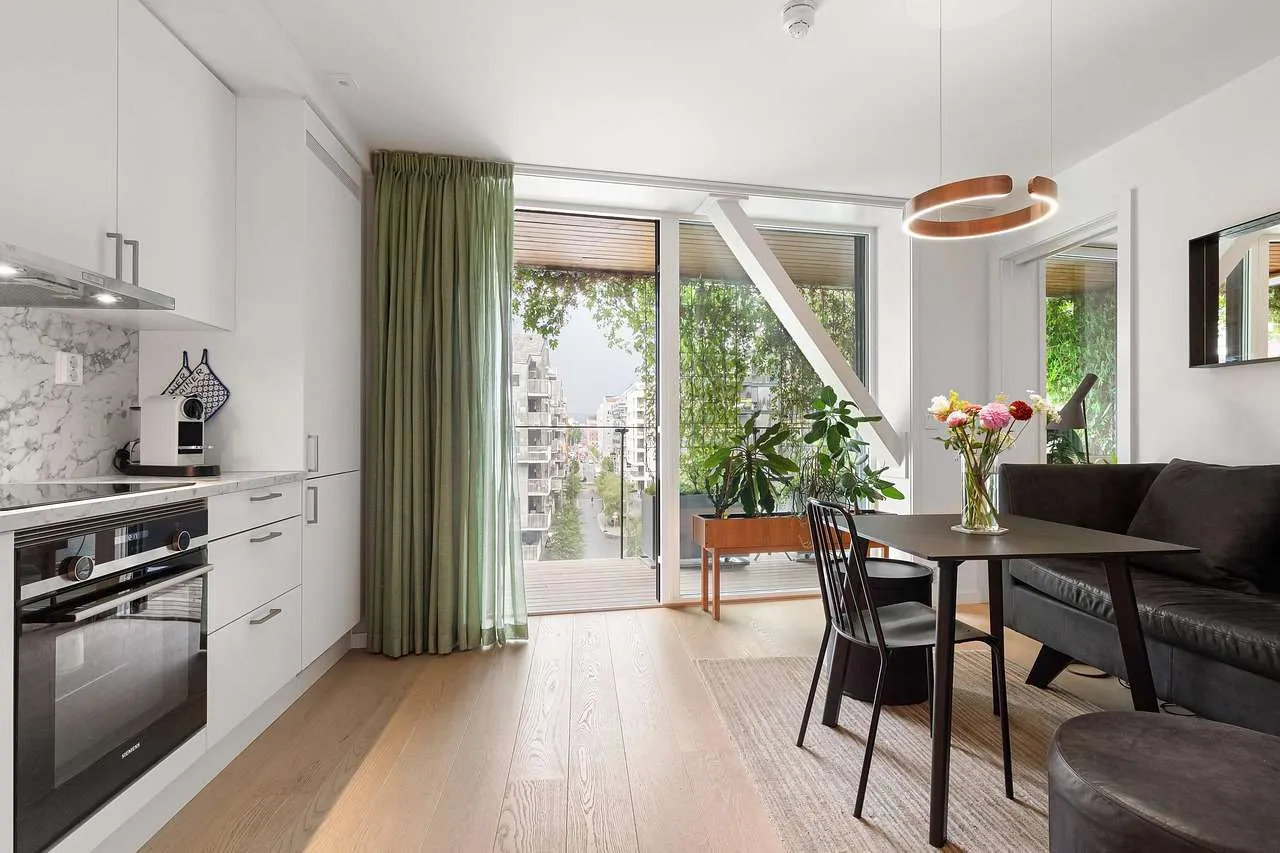
When you search for home window tinting near me, you’re looking for more than proximity—you want skilled installers, proven products, and a trustworthy process that delivers lasting comfort and value for your home.
Why homeowners tint their windows
Tinting reduces heat gain, blocks harmful UV rays, and minimizes glare, making living rooms more comfortable and reducing cooling costs. It also enhances privacy without sacrificing natural light when you choose the right tint. For many households, tinting is a sensible upgrade that aligns with energy-efficiency goals and modern aesthetics. To ensure you get what you pay for, seek an installer who emphasizes quality, warranty, and honest guidance—key markers of expertise, trust, and a strong local reputation.
Types of window tint for homes
Window film comes in several formulations. Understanding the differences helps you pick the right solution for your climate, budget, and aesthetic. Always confirm that your chosen film complies with local regulations and HOA rules where applicable.
Dyed window tint
Dyed films are the most affordable option. They absorb heat at the surface, reduce glare, and improve privacy. However, dyed films can fade or discolor over time and are less effective at rejecting heat than higher-end options. For budget projects, they offer a quick aesthetic upgrade, but expect to replace them earlier.
Metalized window tint
Metalized films incorporate metallic layers that reflect a significant portion of solar heat before it enters the home. They provide strong heat rejection and excellent glare control. The trade-off is that they can interfere with certain electronics and may create a slightly mirrored look, especially on larger panes. This option suits homes with minimal electronic needs and a desire for high performance.
Carbon-based window tint
Carbon films absorb infrared radiation without creating a noticeable mirror effect. They offer good heat rejection, maintain clearer views, and resist fading better than dyed films. Carbon films provide a balanced price-to-performance ratio and are popular for homeowners seeking a non-reflective appearance.
Ceramic window tint
Ceramic films are the premium choice. They deliver outstanding heat rejection, minimal color change, and no metallic interference with electronics. Ceramic tints maintain clarity and privacy across a wide range of light conditions and are favored for high-end homes, large windows, and solar challenges in hotter climates. They come with robust warranties but at a higher upfront cost.
How to find a trustworthy tinting pro near you
Locating a reputable installer for home window tinting near me involves a mix of research, verification, and clear expectations. Follow these steps to protect your investment and ensure a smooth experience.
- Check licenses and insurance: Verify that the installer is insured and licensed where required. This protects you from liability and confirms a professional operation.
- Look for manufacturer certification: Reputable shops often carry brand certifications (for example, from 3M, LLumar, or similar brands) indicating trained installation standards.
- Read reviews and request portfolio samples: Look for completed residential projects, photos, and customer feedback focusing on workmanship and film quality.
- Ask about warranties and service: A solid installation should include a manufacturer-backed warranty on the film and a workmanship guarantee.
- Get on-site assessments and written quotes: A trusted pro will inspect your windows, recommend tint types per pane (single, double-hung, or large-framed), and provide a detailed, itemized estimate.
Costs, warranties, and maintenance
Prices vary by tint type, window size, number of panes, and local labor rates. In general, dyed films are the least expensive, while ceramic films cost more due to performance and durability. Most residential projects include a warranty spanning several years for film integrity and adhesion. Proper cleaning using a soft cloth and non-ammonia cleaners will preserve clarity and avoid film damage. Always verify warranty terms before purchase to understand coverage for fading, bubbling, or adhesive failure.
Comparison at a glance
| Tint Type | Pros | Cons | Best For |
|---|---|---|---|
| Dyed | Low cost, good glare reduction | May fade; less heat rejection; shorter lifespan | Budget upgrades, privacy |
| Metalized | Excellent heat rejection; durable | Possible electronics interference; reflectivity | Large windows, sunny climates |
| Carbon | Non-reflective, good heat rejection, durable | Moderate cost | Natural look, balanced performance |
| Ceramic | Top heat rejection, non-reflective, long-lasting | Highest upfront cost | Premium homes, high heat areas |
Conclusion and next steps
Choosing the right film and installer for home window tinting near me hinges on balancing budget, performance, and trust. Prioritize licensed, insured professionals with manufacturer certifications and clear warranties. Review options by tint type, consider the local climate, and ask for a detailed written estimate that covers materials, labor, and after-care. With the right partner, you’ll enjoy cooler rooms, better UV protection, enhanced privacy, and a home that looks refreshed for years to come.
Summary: This guide helps you evaluate tint options (dyed, metalized, carbon, ceramic), understand the benefits and trade-offs, and pick a trusted installer near you. By focusing on licensing, warranties, and real-world results, you’ll achieve durable, aesthetically pleasing energy savings and comfort in your home.